
Are Showers or Baths Better? Cost, Water Use and Comfort
Whether you are planning a new bathroom, renovating an old […]
Whether you are planning a new bathroom, renovating an old one or simply trying to cut your water bills, you have probably asked the question: are showers or baths better? The honest answer is that it depends on how you live, how big your bathroom is, what kind of heating and water system you have and what you want from the space.
At Hayes Plumbing and Heating we fit and fix bathrooms across Portsmouth and Hampshire, so we see the practical side of this decision every week. This guide compares showers and baths on water use, running costs, comfort, safety, space, resale value and the plumbing behind them, so you can choose with confidence.
Are showers or baths better? The short answer
If your priority is saving water and money, a modest shower is usually the better choice. If your priority is relaxation, bathing children or soaking tired muscles, a bath wins. For most homes the best answer is to have a good shower and, where space allows, a bath as well.
That said, not all showers are equal. A short shower with an efficient head can use far less than a bath, but a long session under a high-flow power shower can use more. The details matter, so let us go through them.
Water use: how much does each one use?
A typical bath uses somewhere in the region of 80 litres, although a deep bath can easily use more. Water use for a shower depends on the flow rate and how long you stand under it. A standard mixer shower runs at roughly eight to ten litres a minute, an electric shower is often lower at around five to eight litres a minute, and a power shower can use well over twice that.
At eight minutes, a standard shower uses roughly 60 to 80 litres, which is similar to or a little less than a bath. A short, five minute shower with an efficient head uses considerably less. Cut it short and the shower wins easily. Linger, and you may as well have run a bath.
- Bath: a fixed amount of water per fill, usually around 80 litres or more.
- Electric shower: modest flow, heats water as it goes, good for short showers.
- Mixer shower: takes hot and cold supplies and mixes them, with moderate flow.
- Power shower: pumped for high pressure, feels luxurious but can be the thirstiest option.
Running costs: which is cheaper?
Heating water is the biggest part of the cost, so using less hot water saves the most. A short shower will usually cost less than a bath because you heat less water. An electric shower only heats what you use, which suits households that do not want to run a hot water cylinder or boiler for showering.
The efficiency of your boiler also matters. If your boiler is old or running badly, every hot tap costs more than it should. We cover this in our guide to the cost of a gas boiler installation and the benefits of an efficient system in our post on the best combi boilers in the UK.
If your household is on a water meter, both options affect your water bill as well as your heating bill. If you are not metered, the water cost is not directly linked to use, but the heating cost still is.
Comfort and relaxation
Baths are in a class of their own for relaxing. Soaking in warm water relieves tension, helps tired muscles and gives you a chance to switch off. They are also the obvious choice for bathing babies and young children and for anyone who enjoys a long soak at the end of the day.
Showers are quick, refreshing and practical. A good shower wakes you up in the morning, rinses off effectively and is easy to fit around a busy routine. Modern shower heads, including rainfall and multi-function designs, can be very pleasant, and a well-planned enclosure feels like a mini spa.
Safety and accessibility
Safety is often the deciding factor, particularly as people get older or have mobility issues. Stepping over a high bath edge can be difficult, and getting in and out of a wet bath carries a risk of slipping.
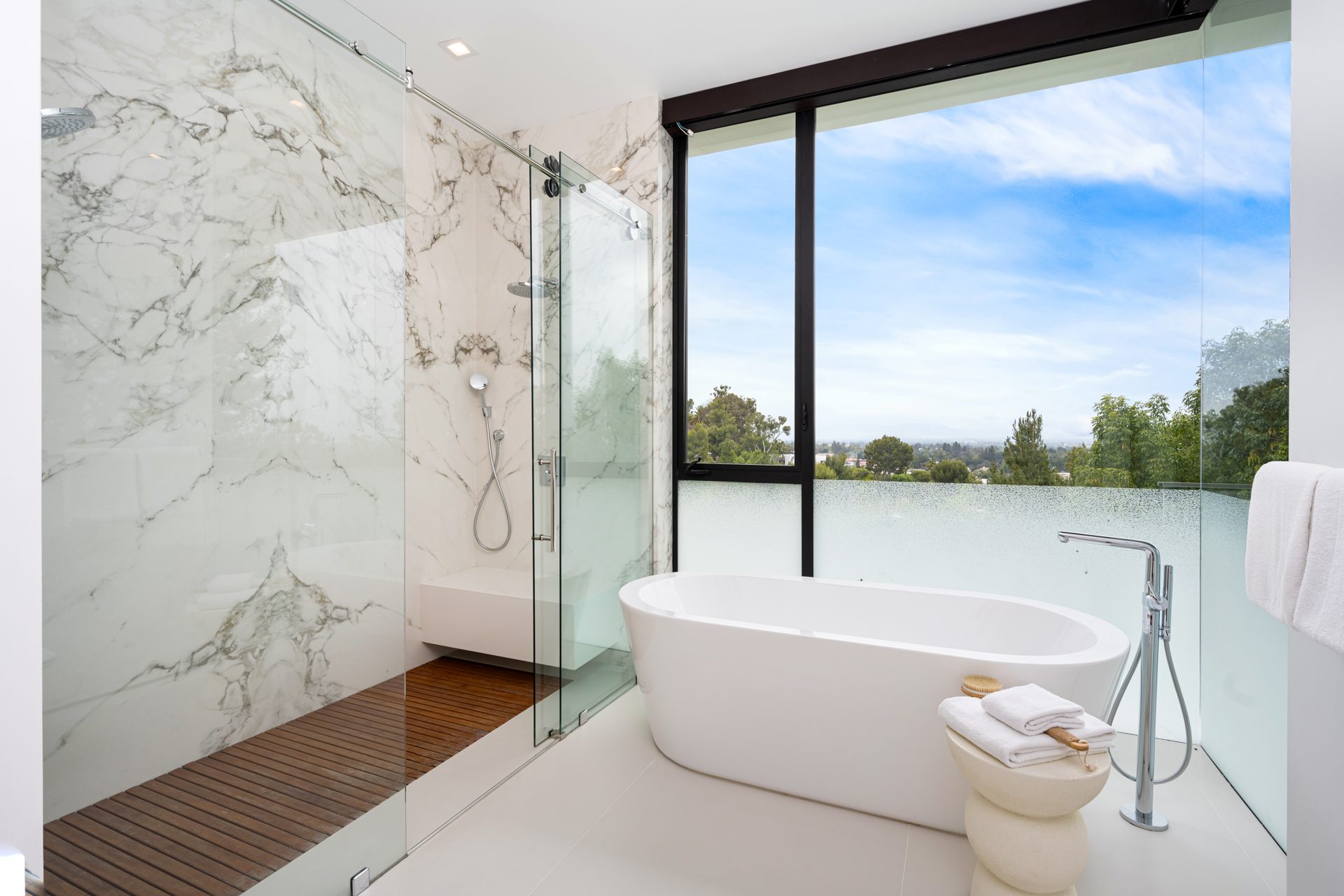
A walk-in shower with a low or level threshold, non-slip flooring, grab rails and a seat is generally much safer and easier to use. It is also the most popular upgrade for homes where someone has limited mobility. A well-built walk-in shower can also look contemporary and open up the room.
If you are installing a walk-in shower, the quality of the waterproofing and drainage matters enormously. A poorly sealed tray or floor can cause leaks that go undetected for months. Always use a qualified plumber and a proven waterproofing system.
Space and layout
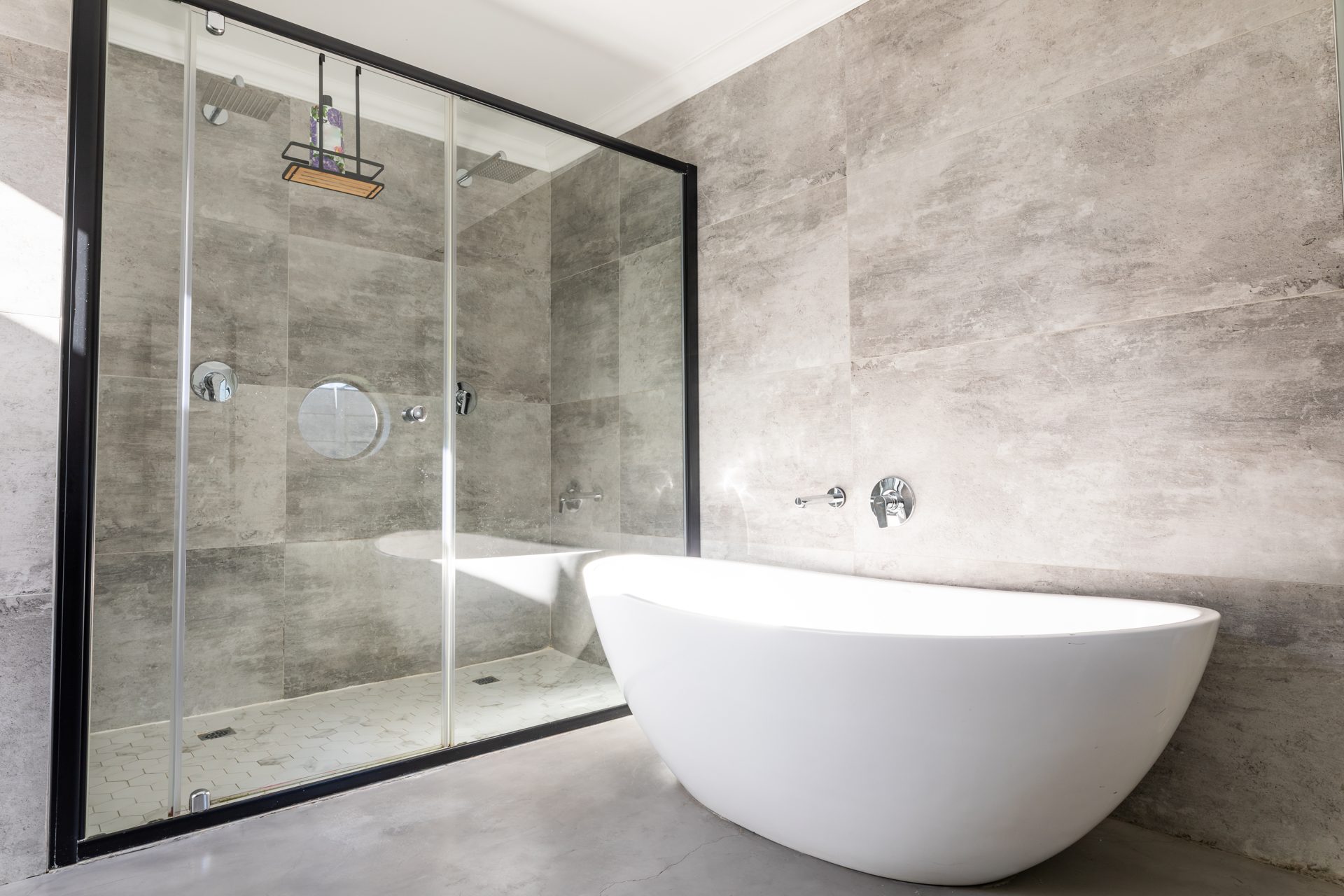
Bathroom size often makes the decision for you. In a small bathroom, a bath takes up a lot of room, and removing it for a larger shower enclosure can transform the layout. In a larger bathroom, you may have space for both a bath and a separate shower, which is ideal.
There are some good compromises. A shower bath, which has a wider end for standing and a screen, gives you both options in one fixture. A freestanding bath looks spectacular in a bigger room, while a compact bath can fit when space is tight.
Which adds more value to a home?
Estate agents commonly say that a home with at least one bath appeals to families and buyers with young children, and that having a good shower is almost essential for everyone else. Removing the only bath in a house can narrow your pool of buyers, particularly if the home is aimed at families.
The safest approach if you are thinking of selling is to keep a bath in at least one bathroom and make sure there is a good shower in the main bathroom or an en-suite. If you have two bathrooms, using one for a shower-only layout can be a good use of space.
The plumbing behind the choice
What you can install depends on your water system and pressure. This is where an experienced plumber saves you from expensive mistakes.
Water pressure and flow
Showers need decent pressure to feel good. If you have low pressure, you may need a pump, a different shower type or work to the supply. Low pressure can also be linked to heating problems, and our guide to boiler pressure that is too low explains what to check.
Combi, tank-fed or unvented systems
Combi boilers supply hot water directly from the mains, which suits mixer and electric showers well. Tank-fed systems rely on gravity unless a pump is fitted. Unvented cylinders provide mains pressure to the whole house. Each system suits different shower types, so check before you buy.
Drainage
A shower needs good drainage, and a floor-level walk-in shower needs the right falls and a suitable waste. Existing pipework may need altering. Slow draining is one of the most common complaints after a poorly planned installation.
Tips to cut hot water use whichever you choose
You can save energy and money with a few simple habits and upgrades, no matter which fixture you prefer.
- Fit a water-efficient shower head that keeps the feel of the flow while using less water.
- Use a shower timer or set a time limit in the household, since minutes matter more than most people expect.
- Fill the bath only as far as you need, and consider whether a shallower soak is enough.
- Lag hot water pipes and cylinders so heat is not wasted between the boiler and the tap.
- Fix dripping taps and leaking showers promptly, because small leaks add up over a year.
- Have your boiler serviced regularly so it heats water efficiently.
Families, rentals and second bathrooms
The right answer also changes depending on who the bathroom is for. Families with babies and toddlers rely on a bath, so removing it can be a mistake. Landlords often prefer a robust, easy-to-clean shower enclosure over a bath, particularly in a small flat, but should keep in mind that tenants with children may look for a bath when choosing a property.
If you have a second bathroom or a downstairs cloakroom, it is often the ideal place to put a walk-in shower, leaving the main bathroom with its bath. That gives the household flexibility and works well for older relatives who may need a step-free option on the ground floor.
It is also worth planning for the long term. A bathroom designed with future needs in mind, such as space for a seat or grab rails and a floor that can be made level, will serve you for years without needing a full refit later.
Which should you choose?
If you are still wondering are showers or baths better for your own home, ask yourself a few simple questions:
- Who uses the bathroom? Families with young children usually want a bath. Single adults and older people often prefer a shower.
- How much space do you have? Small rooms favour a shower enclosure.
- How important is relaxation versus speed? If you love a soak, keep or add a bath.
- Is mobility or safety a concern? A walk-in shower is usually safer.
- What is your heating and water system? Check that your boiler, cylinder and pressure suit the shower you want.
- Do you plan to sell soon? Keep at least one bath in the house if you are unsure.
So, are showers or baths better overall? There is no single right answer, but your answers to those questions will usually point clearly to one option.
Common mistakes when choosing
- Choosing a shower without checking water pressure and the existing system.
- Buying a power shower that uses much more water than expected.
- Removing the only bath without considering resale.
- Skimping on waterproofing, which is the most expensive thing to fix later.
- Leaving ventilation out, which leads to damp and mould in a shower room.
- Doing the plumbing yourself without the right skills, which risks leaks and poor performance.
Questions people ask
Is a shower or a bath better for your health?
Both can be good. A warm bath can help you relax and ease sore muscles, and a shower is a quick, hygienic way to wash. Very hot water can dry the skin, so keep the temperature comfortable whichever you choose.
Do showers save money compared with baths?
Usually, if the shower is short and the flow rate is moderate. A long shower with a power shower can cost as much as a bath, so it is the combination of time and flow that counts.
Can I fit a shower over my bath?
Yes, this is very common and a cheap way to get both. You will need a suitable screen or curtain, the right shower fitting for your water system and good waterproofing around the bath.
Is it hard to replace a bath with a walk-in shower?
It is a well-established job, but it needs planning. The plumber has to alter the waste, level the floor, waterproof the area properly and make sure the pressure suits the new shower. It is best to have it done by a qualified plumber.
Talk to Hayes Plumbing and Heating
If you are weighing up a new shower, a bath, a full bathroom refit or a plumbing problem, we would be happy to help. Get in touch with our team and tell us what you have in mind, or visit our home page to see what we do. We will check your system, talk through the options and give you a clear quote with no pressure.
Share This Story, Choose Your Platform!
Need a hand with this?
Speak to a Gas Safe registered engineer. We cover Fareham, Portsmouth, Southampton and beyond.
01329 888108 Book a visit“Replacement combi boiler fitted. Job was completed in a day. Very efficient, friendly service and really pleased with the new boiler.”
Julie M. · 42 Google reviews
Keep reading
More heating advice.
Need a hand with your heating?
Speak to a Gas Safe registered engineer today.