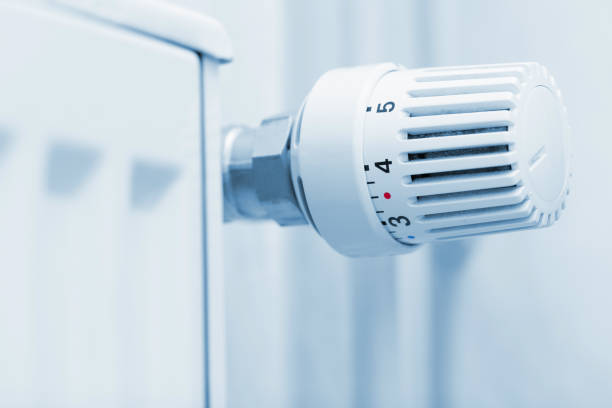
Signs Your Care Home Needs Emergency Radiator Replacement
A faulty radiator in a care home can cause serious discomfort for residents, disrupt daily operations, and lead to higher energy bills. Recognising the signs early can help you arrange emergency radiator replacement for care homes in Portsmouth before the issue worsens. Here are the key signs to look out for:
Radiator leaks and pooling water: If water is leaking from a radiator, it is a clear indication that it needs urgent replacement. Leaks can lead to water damage, mould growth, and pressure loss in the heating system, which may affect multiple radiators across the building. A professional should assess the damage and replace the radiator before further complications arise.
Cold spots despite bleeding: Radiators that remain cold in certain areas even after being bled may have an internal blockage or corrosion. This prevents the efficient circulation of hot water, leading to uneven heating in different rooms. In a care home setting, this can cause discomfort for residents and staff, making replacement the best solution.
Unusual noises coming from the radiator: If a radiator is making banging, hissing, or gurgling noises, it may be due to trapped air, limescale build-up, or internal wear and tear. While some noises can be resolved with routine maintenance, ongoing strange sounds are a sign that the radiator is deteriorating and may need urgent replacement.
Inconsistent heating across rooms: If some rooms in the care home are significantly colder than others, even when the heating is on, a faulty radiator could be to blame. An inefficient radiator forces the boiler to work harder to compensate for lost heat, increasing energy consumption and raising costs. Replacing damaged radiators restores balance to the system.
Visible rust and corrosion: Over time, radiators can rust due to internal moisture and external environmental factors. If rust is visible on the surface or water appears discoloured when bleeding the radiator, internal corrosion may have already compromised its efficiency. A corroded radiator is more likely to develop leaks and fail entirely, requiring immediate replacement.
Increased energy bills: A failing radiator causes the heating system to work harder, using more energy than necessary. If your care home has experienced a sudden spike in heating costs, inefficient radiators could be the cause. Replacing old, failing radiators with modern, energy-efficient models can significantly reduce energy consumption and lower heating bills.
By identifying these warning signs early, you can arrange emergency radiator replacement for care homes before a minor issue turns into a major disruption. Prompt action ensures residents remain comfortable while protecting the overall efficiency of the heating system.
Why Fast Emergency Radiator Replacement Matters For Care Homes
A care home requires a fully functional heating system to maintain a warm and comfortable environment for residents. When a radiator fails, emergency radiator replacement for care homes in Portsmouth becomes essential to prevent discomfort, health risks, and rising energy costs. Here’s why acting fast is so important:
Resident health and comfort: Elderly residents are more vulnerable to cold temperatures, which can lead to respiratory issues, joint pain, and even hypothermia in extreme cases. A broken radiator can cause rooms to become too cold, putting residents’ well-being at risk. Immediate replacement ensures a steady and comfortable temperature throughout the care home.
Avoiding disruption to daily operations: Care homes operate on strict schedules, with residents requiring warmth for daily routines, medical care, and general well-being. A faulty radiator can disrupt normal activities, creating unnecessary stress for staff and residents alike. Replacing radiators quickly helps maintain a calm and stable environment.
Preventing further heating system damage: A malfunctioning radiator can cause issues across the entire heating system. If left unfixed, it may lead to uneven heating, low boiler pressure, and higher strain on the boiler. In some cases, a faulty radiator can cause pipe leaks or even boiler failure, resulting in more expensive repairs. Replacing the radiator promptly helps prevent these additional problems.
Reducing energy consumption and costs: A faulty radiator often forces the boiler to work harder to compensate for heat loss. This results in higher energy consumption and increased heating bills. By replacing damaged radiators promptly, care homes can improve efficiency and keep heating costs under control. Modern, energy-efficient radiators distribute heat more effectively, reducing unnecessary strain on the system.
Maintaining compliance with care home regulations: Care homes must adhere to strict regulations regarding indoor temperature and resident comfort. If a radiator failure leads to inadequate heating, the care home could risk non-compliance, potentially facing penalties or negative inspections. Emergency radiator replacement ensures that all regulatory requirements are met.
Avoiding property damage: Leaking radiators can cause water damage to floors, walls, and nearby furniture. If left unattended, this can result in mould growth, structural damage, and costly repairs. Quick replacement prevents long-term damage and protects the care home’s infrastructure.
Acting fast when a radiator fails is essential to maintaining a safe, efficient, and comfortable care home environment. With emergency radiator replacement for care homes, you can avoid costly delays and keep your residents warm and well-cared for.