Renting a place comes with a fair bit of paperwork, but knowing what you’re entitled to can make things a lot easier. One thing that often gets overlooked is gas safety. Landlords have legal duties when it comes to gas checks, and as a tenant, you’ve got rights too. Whether you’re new to renting or you’ve been in the same flat for years, understanding tenant rights on gas checks can help you stay safe and informed. This guide breaks down what landlords must do, what you should expect, and how to handle things if something doesn’t seem right.
What Are Gas Safety Checks and Why Are They Important?
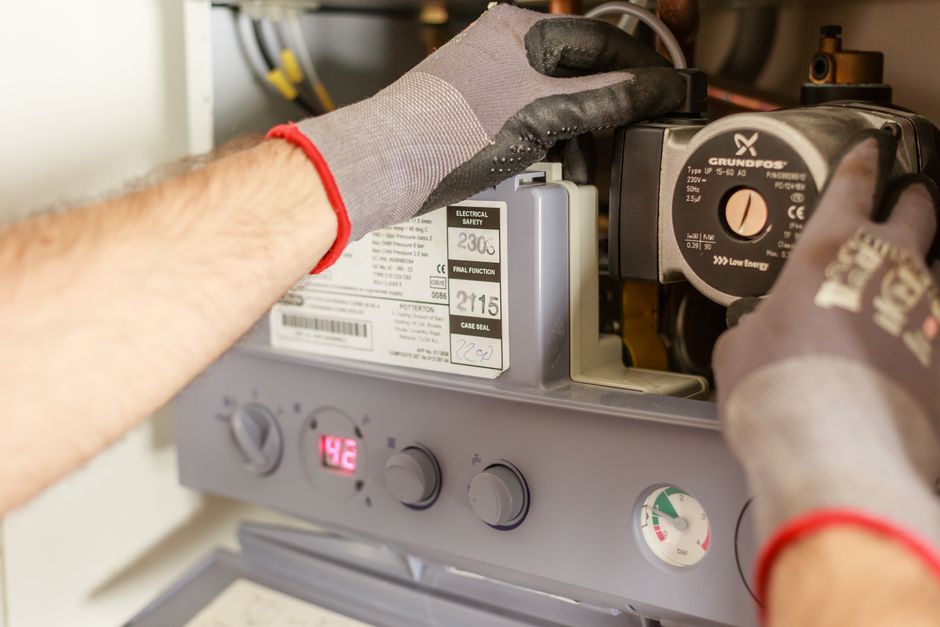
Gas safety checks look at gas appliances, pipes, and vents in a rented home. A qualified engineer inspects items like boilers, ovens, and heaters. The goal is to make sure they’re safe to use and not leaking gas. These checks help spot any faults early before they cause harm.
Every landlord must arrange these inspections once a year. They need to hire someone who is on the Gas Safe Register. This person will test each appliance for leaks or signs of damage. They also check that there’s proper airflow around the equipment and that harmful gases can escape safely through flues or chimneys.
One reason these checks matter is carbon monoxide. It’s a gas you can’t see or smell, but it can be deadly if it builds up indoors. If an appliance isn’t working right or vents aren’t clear, this gas could spread inside your flat without warning. That’s why yearly inspections play such a key role.
Gas leaks also pose serious risks. Even small leaks can lead to fires or explosions if ignored for too long. Regular checks help catch problems before they get worse or put people at risk.
These visits usually don’t take long, often less than an hour, but they offer peace of mind that your home is safe from hidden dangers linked to faulty equipment.
Landlords must give tenants a copy of the Gas Safety Certificate within 28 days after each check takes place, or before someone moves in if it’s a new tenancy. It shows what was tested and whether anything needs fixing.
Knowing tenant rights on gas checks means renters can ask questions if something looks wrong or hasn’t been done on time. You don’t have to guess; you have the right to know your space has been checked properly by someone qualified and approved by law.
Legal Responsibilities of Landlords
Landlords across the UK must follow rules when it comes to gas safety. One key duty is arranging a gas safety check every year. This inspection must be done by someone who’s listed as a Gas Safe registered engineer. It isn’t optional, it’s part of the law.
Once the check is finished, landlords get a document called a Gas Safety Certificate (also known as a CP12). They can’t keep this to themselves. They need to give tenants a copy within 28 days of the test being carried out. If someone new is moving in, they should get it before they step through the door.
This rule applies whether you’re renting out one flat or managing several properties. The same goes for short-term lets or long-term agreements. It doesn’t matter if you think everything works fine; checks still have to happen each year without fail.
If landlords don’t stick to these steps, they could face penalties or legal action. More importantly, skipping checks puts people at risk from things like carbon monoxide leaks or faulty appliances.
Renters have every right to ask for proof that their home has passed its yearly inspection. That’s where tenant rights on gas checks come into play. You can request your certificate and expect it without delay.
Some landlords might forget or put off booking an engineer. Others may not realise how serious this responsibility is under UK law. But following these rules isn’t just about ticking boxes; it’s about keeping homes safe and making sure renters know what condition their property is in.
Landlords also need to keep records of previous certificates for at least two years after each check takes place. That way, there’s always a paper trail showing proper care has been taken over time.
Understanding what landlords must do helps renters feel more secure and informed about where they live and what steps should be taken each year regarding gas safety inspections.
Understanding Your Tenant Rights on Gas Checks
Every renter in the UK has the right to live in a home where gas appliances and systems meet safety rules. Landlords must make sure these checks happen once every 12 months. This includes boilers, cookers, and any other gas-based equipment. Once done, landlords must give tenants a copy of the Gas Safety Certificate within 28 days.
If you’re moving into a new place, your landlord should give you this certificate before you move in. If they don’t, it’s okay to ask for it. You’re not being difficult, you’re just making sure things follow the law.
When landlords skip checks or don’t hand over certificates, renters can take action. You can report the issue to your local council’s housing team. They deal with problems like this all the time and know what steps to take next. Another option is reaching out to the Health and Safety Executive (HSE). They’re responsible for enforcing gas safety laws across England, Scotland, and Wales.
It’s also worth knowing that landlords can’t ignore this rule even if they say they’re “waiting for an engineer” or “didn’t realise it was due.” The law doesn’t allow delays without reason.
Tenant rights on gas checks include more than just getting documents; they cover having working equipment,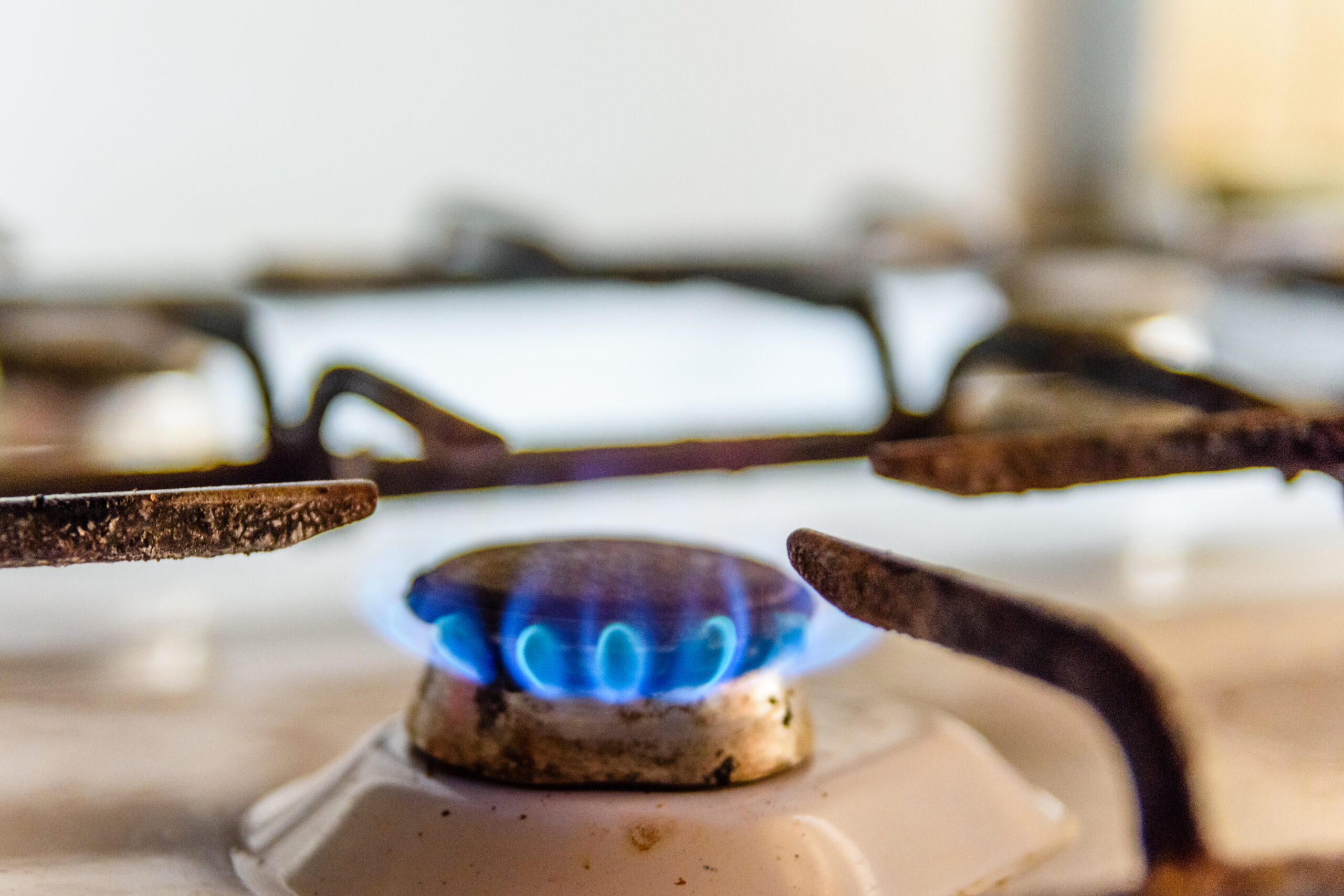 too. If your boiler isn’t safe or hasn’t been checked recently, speak up straight away. Don’t wait for something bad to happen first.
You’re not asking for anything extra when you expect these things; it’s part of what every renter should get as standard under UK law. Keep copies of messages or emails where you’ve asked about safety certificates, since this could help later if there’s a problem that needs official attention.
Knowing what counts as fair treatment helps renters feel more confident when speaking up about gas issues at home.
What Tenants Should Do If There’s a Problem
If you think something is wrong with the gas in your home, don’t wait. Whether it’s a smell, an odd noise from the boiler, or no sign of a recent check, act fast. Your first step should be to let your landlord know. Send them a message or call them. Keep a copy of any email or text you send. That way, you have proof if needed later.
Landlords must give you a Gas Safety Certificate once every 12 months. This shows that checks have been done by someone qualified. If it’s missing or out of date, ask for it right away. It’s part of tenant rights on gas checks and not just something optional.
If your landlord ignores your request or doesn’t fix the issue quickly, there are other steps you can take. You can contact your local council’s private housing team. They deal with landlords who aren’t following safety rules. The council has the power to inspect properties and make sure landlords meet legal duties.
You could also report problems to the Health and Safety Executive (HSE). They handle serious safety risks and may investigate if they think lives could be at risk due to gas faults.
Until help arrives, try not to use any appliance that seems unsafe. Turn off the main gas valve if possible and open windows for fresh air if there’s any smell of gas.
It helps to stay calm but firm when raising concerns about safety issues in your home. Always keep records of what happened, dates, times, and who you spoke to, as this may help later if action needs to be taken through official routes.
You’re not being difficult by speaking up about these things; you’re just using rights that exist for good reason.
Staying Safe and Informed in Your Rented Home
Knowing where you stand when it comes to gas safety can make all the difference as a renter. Landlords have a legal duty to carry out annual gas safety checks, and as a tenant, you’ve got the right to see the certificate and live in a safe environment. If something seems off or your landlord isn’t meeting their obligations, it’s important to speak up and take action. Understanding your tenant rights on gas checks not only helps protect your health but also ensures you’re treated fairly throughout your tenancy. Don’t be afraid to ask questions; your safety comes first.
About the Author: Hayes Plumbing & Heating