

Boiler Pressure Too Low? How To Check It and Fix It Safely
You turn the heating on, the radiators stay cold, and […]
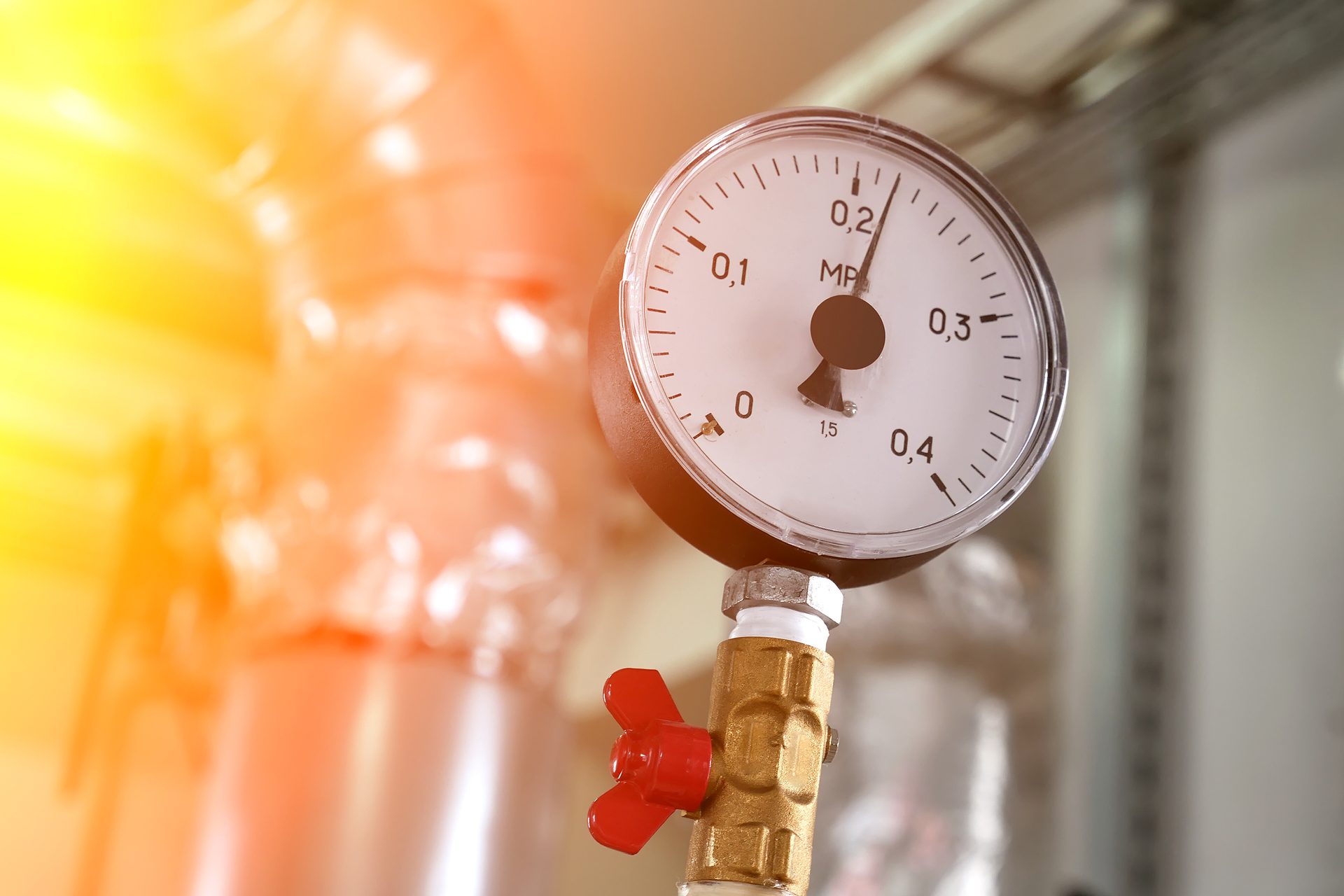
You turn the heating on, the radiators stay cold, and the boiler is showing an error code or a flashing light. You check the little dial on the front and the needle is sitting right down near zero. It is a very common problem, it is nearly always fixable, and it is rarely as bad as it first feels.
This guide explains what it means when your boiler pressure is too low, how to check it, how to top it up safely, and when to stop and call a Gas Safe registered engineer. It is written for homeowners and landlords across Hampshire who want clear, calm advice without the jargon.
What should your boiler pressure be?
Most sealed central heating systems, which include combi boilers and system boilers, need water at the right pressure to circulate properly. As a general guide:
- When the system is cold, the pressure should usually sit between 1 and 1.5 bar.
- When the heating is running and the water is hot, it will rise, often to somewhere around 2 bar.
- If the gauge reads below 1 bar, the pressure is too low. Many boilers will lock out or show a fault.
- If it climbs above 2.5 to 3 bar, that is too high and needs attention.
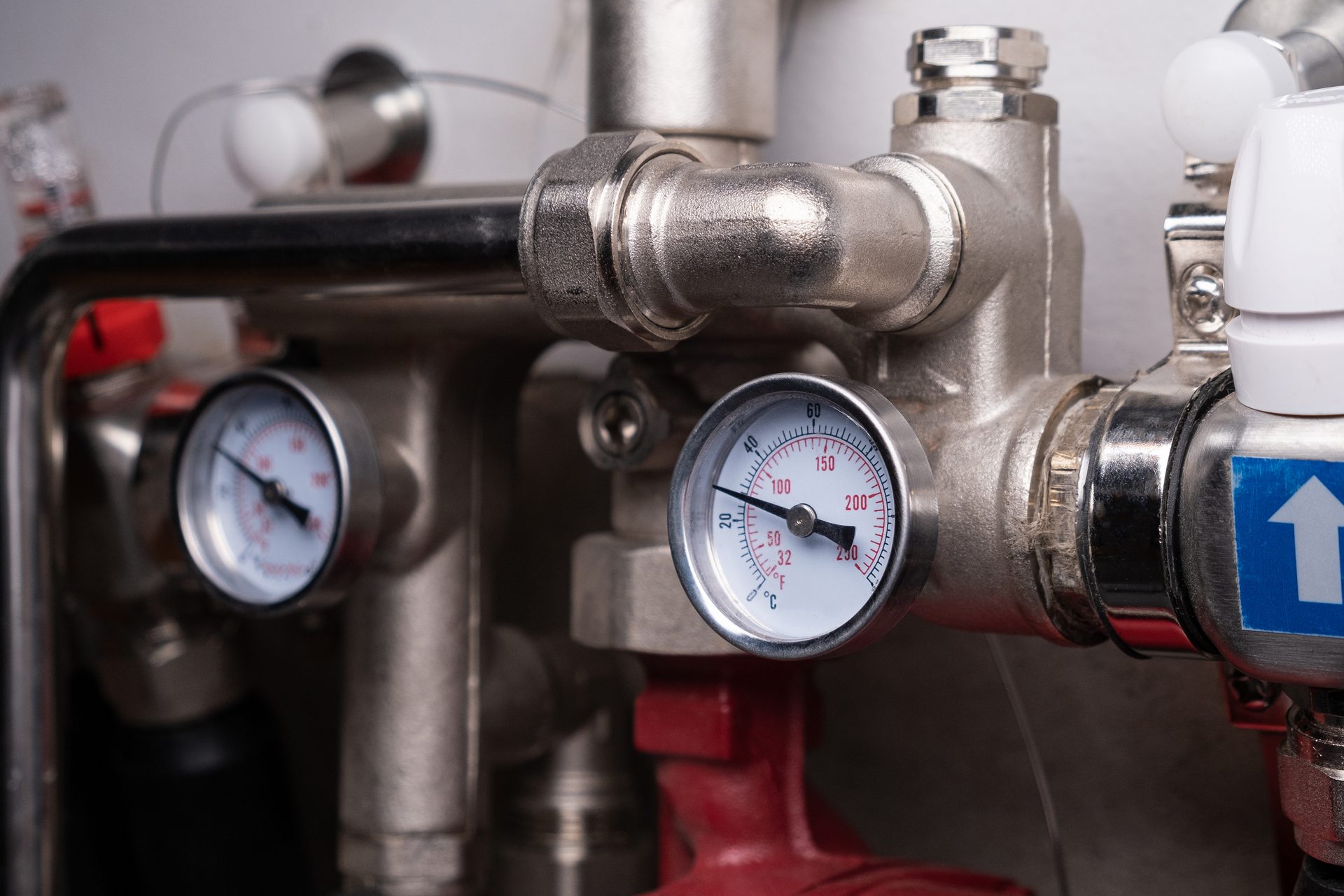
Every boiler is slightly different, so always check the manufacturer’s instructions for the correct range for your model. The gauge itself is usually on the front panel, and some modern boilers show the pressure on a digital display instead.
Warning signs of boiler pressure too low
Low pressure is easy to miss until it causes a problem. Look out for these signs:
- The pressure gauge is reading below 1 bar.
- The boiler displays an error code or a pressure warning light.
- Radiators are cold, or only warm in places.
- You have no hot water, or it runs cold unexpectedly.
- The boiler keeps switching itself off or will not fire up.
- You can hear gurgling or banging noises coming from the system.
Why does boiler pressure drop?
A sealed heating system should hold its pressure for months on end. If it drops, there is always a reason. The most common ones are:
Bleeding radiators. When you let air out of a radiator, a little water leaves the system with it. This is the most common reason for a one-off drop, and it is easily put right.
A leak. A small leak from a radiator valve, a pipe joint or the boiler itself lets water escape slowly. If your pressure keeps dropping again after you top it up, a leak is the most likely cause.
A faulty pressure relief valve. This safety valve releases water if the pressure gets too high. If it is worn or stuck, it can let water out of the system unnoticed. Look for a small pipe leading outside, and check whether it is dripping.
A failing expansion vessel. This is a small tank that absorbs the expansion of the heated water. If it loses its air charge, the pressure swings up and down, and water can be forced out through the relief valve, leaving the system low when it cools.
Recent work on the system. After a new radiator, a repair or a system flush, the pressure often needs to be topped up.
How to check your boiler pressure
You do not need any tools for this. Simply look at the pressure gauge with the heating off and the system cold, and note where the needle sits. If the reading is below 1 bar, you have boiler pressure too low and it needs topping up. If the gauge is not obvious, check the boiler manual or look for a digital display.
It is worth taking a photograph of the gauge so you can compare it later. If the pressure is falling quickly, say by more than a bar in a few days, that is a strong sign of a leak, and you should not keep topping it up without having it checked.
How to repressurise your boiler safely
If the pressure is low and there are no signs of a leak, most homeowners can top it up using the filling loop. This is a flexible braided hose, usually found underneath the boiler, with a tap or lever at one or both ends. The exact method differs between models, so check your manual first. In general, the steps are as follows.
- Switch off the boiler and let it cool down fully. Never top up a hot system.
- Check the loop is connected at both ends. On some boilers the loop is removable and needs fitting first.
- Open the valves slowly. Open both ends of the filling loop. You should hear water begin to flow into the system.
- Watch the gauge. As the water goes in, the needle will rise. Stop when it reaches between 1 and 1.5 bar.
- Close the valves tightly once you reach the right pressure. Make sure both are fully shut.
- Switch the boiler back on and check that it runs normally. If it still shows a fault, you may need to use the reset button as described in the manual.
Be careful not to overfill. If the pressure goes too high, you can release a little by bleeding a radiator slightly until it drops back to the right range. If you are not confident, do not guess. A boiler is a gas appliance, and it is always better to ask a professional.
When boiler pressure keeps dropping
If you have topped the pressure up and it falls again within days or weeks, there is a problem that needs to be found. Topping it up repeatedly only hides the cause of the boiler pressure too low problem. It can also let fresh water, which carries oxygen, into the system, which speeds up corrosion and sludge build up inside your radiators and boiler.
Signs that you need an engineer include:
- The pressure drops again within a few days of topping it up.
- You can see damp patches, drips or water stains near radiators, pipes or the boiler.
- Water is dripping from the pressure relief pipe outside.
- The pressure rises very high when the heating comes on.
- You hear unusual noises, or smell anything unusual near the boiler.
An engineer will pressure test the system, inspect the pipework and valves, test the expansion vessel and check the boiler itself. In many cases the fix is quick and inexpensive, such as replacing a valve or re-pressurising the expansion vessel.
Why you should use a Gas Safe registered engineer
Topping up the water pressure is something many homeowners can do themselves. Anything involving the boiler’s internal parts, gas supply or flue is different. By law, anyone who works on gas appliances in the UK must be on the Gas Safe Register. You can check an engineer’s registration on the Gas Safe Register website before they begin work.
If you ever smell gas, turn off the supply at the meter if it is safe to do so, open doors and windows, avoid using electrical switches, and call the National Gas Emergency Service on 0800 111 999.
How to prevent low boiler pressure
A little routine care keeps your heating system reliable and helps you avoid cold mornings.
- Get your boiler serviced every year. An annual service catches small problems like worn valves and failing expansion vessels before they cause a breakdown. Our boiler servicing and repairs page explains what is included.
- Check the gauge now and then. A quick look once a month, especially at the start of winter, takes seconds.
- Bleed radiators carefully. If you do, check the pressure afterwards and top it up if needed.
- Look for leaks. Keep an eye on valves, joints and the base of the boiler for drips, and act early.
- Think about system health. Older systems with lots of sludge are more likely to develop leaks and faults.
If your boiler is old and keeps losing pressure, it may also be a sign that it is reaching the end of its life. Our guide to the best combi boilers in the UK and our article on boiler installation in Fareham explain what to consider if a replacement is on the cards.
If you rent out a property, remember that keeping your heating in good working order is part of being a responsible landlord, alongside your annual gas safety check.
Quick answers to common questions
Is it dangerous to have boiler pressure too low? It is not usually dangerous in itself, but the boiler will often shut down to protect itself, which means no heating or hot water. Persistent low pressure can point to a leak, which should be checked.
Can I top up my boiler pressure myself? Many people can, using the filling loop, as long as the system is cold and they follow the manual. If you are unsure, ask an engineer.
How often should I need to top up the pressure? Ideally, hardly ever. Topping up more than once or twice a year suggests there is something wrong.
Will low pressure damage my boiler? Running a boiler at low pressure for long periods can cause overheating and put extra strain on parts such as the pump and heat exchanger, so it is best dealt with promptly.
Need help with your heating?
If your boiler pressure keeps dropping, your radiators are not heating up properly, or you simply want peace of mind before the colder months arrive, the team at Hayes Plumbing and Heating is here to help. Get in touch and we will arrange for a Gas Safe registered engineer to take a look.
Share This Story, Choose Your Platform!
Need a hand with this?
Speak to a Gas Safe registered engineer. We cover Fareham, Portsmouth, Southampton and beyond.
01329 888108 Book a visit“Replacement combi boiler fitted. Job was completed in a day. Very efficient, friendly service and really pleased with the new boiler.”
Julie M. · 42 Google reviews
Keep reading
More heating advice.
Need a hand with your heating?
Speak to a Gas Safe registered engineer today.