As homeowners across Hampshire look for sustainable ways to reduce their carbon footprint and combat volatile energy markets, the combination of green technologies has become a major point of interest. Traditional heating systems rely heavily on fossil fuels, which are both environmentally damaging and increasingly expensive to run. By integrating electricity-generating solar panels with high-efficiency thermal technology, solar powered heat pumps offer an innovative, self-sustaining solution for domestic climate control. At Hayes Plumbing & Heating, we are committed to helping our local community transition toward these cleaner setups with total confidence. Our extensive experience in advanced mechanical systems allows us to design and install custom infrastructure that maximises your environmental benefits while lowering your household bills. This comprehensive guide details how these paired systems operate and why they represent the ultimate upgrade for your property.
How Heat Pumps and Solar Energy Work Together
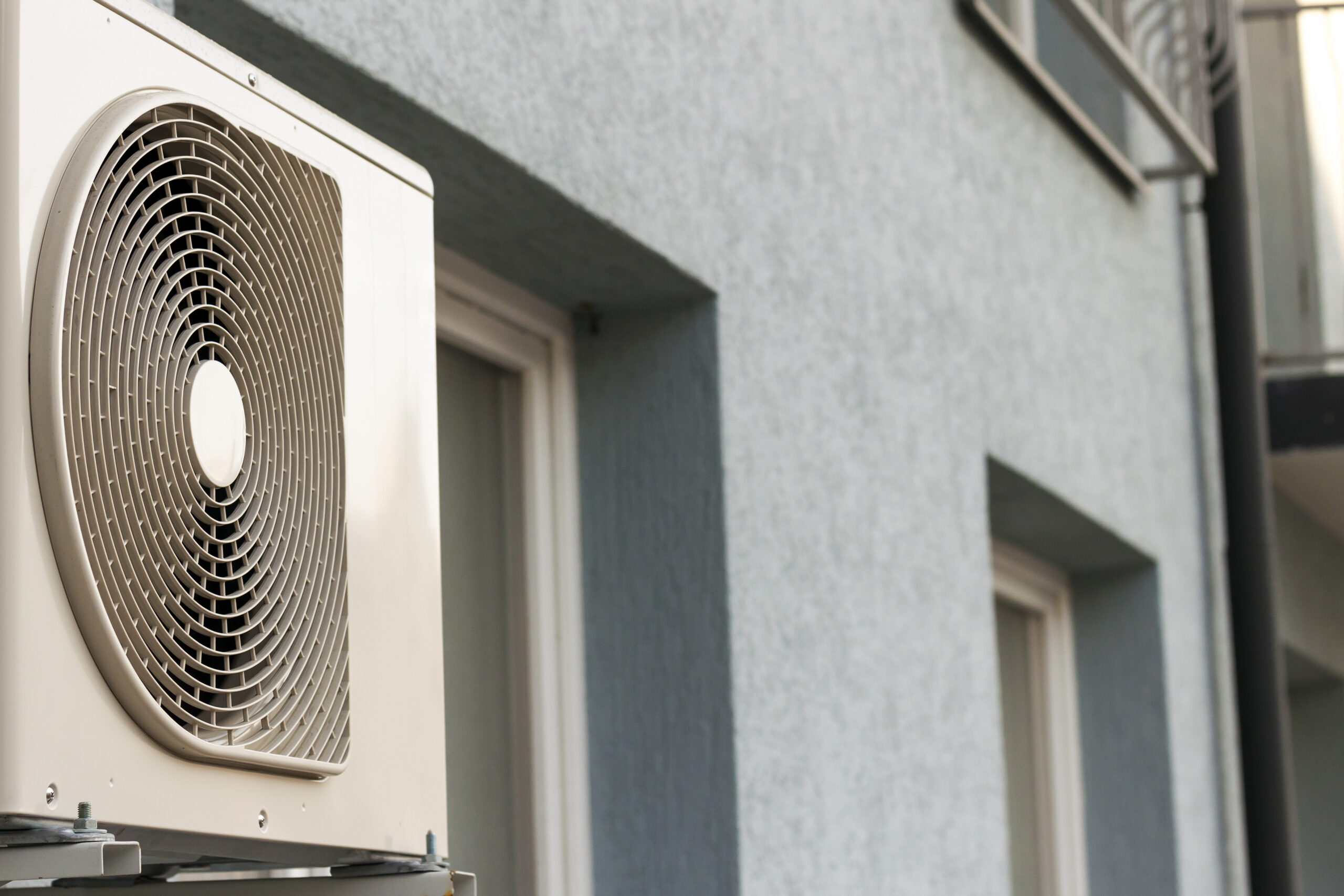
To understand the immense benefit of this combined setup, it helps to first look at how an air source heat pump operates on its own. These units work like a refrigerator in reverse, extracting ambient warmth from the outside air and compressing it to heat your home and hot water. While they are incredibly efficient, often delivering three to four times more heat energy than the electrical energy they consume, they still require a steady supply of electricity to power the internal compressor. This is where the true value of solar-powered heat pumps becomes apparent, as your own roof can generate the exact power needed to run the heating system. By linking photovoltaic panels to your heating unit, you create a closed-loop system that reduces your reliance on the national grid to an absolute minimum.
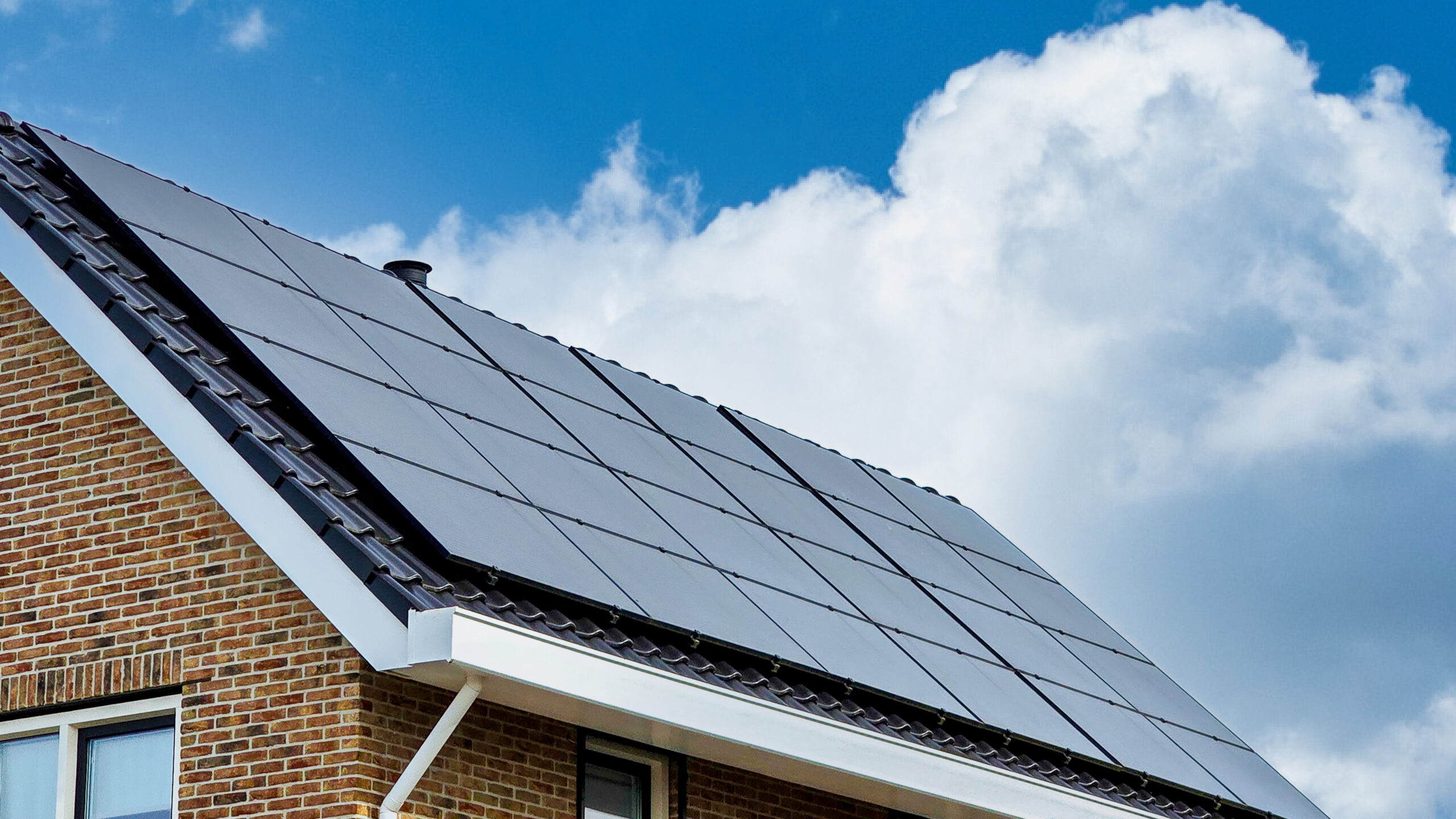
During daylight hours, your solar array converts sunlight into usable electricity, which is then routed directly to power the heat pump compressor and circulation pumps. Even during overcast days along the South Coast, modern solar panels can still generate a significant amount of electricity, ensuring that your heating system remains partially or fully offset by green energy. Any excess power generated during peak sunshine can be used to preheat your domestic hot water cylinder, effectively storing solar energy in the form of hot water for later use. This intelligent distribution of energy transforms your property into a micro-power plant, drastically cutting your running costs and ensuring that your heating cycle remains entirely carbon-neutral throughout the brightest parts of the day.
Maximising Self-Consumption With Battery Storage
One of the most frequent questions we receive from homeowners in Fareham and Southampton relates to how these systems perform when the sun goes down. Naturally, your peak demand for heating often occurs during the evening, long after the solar panels have stopped generating electricity for the day. To solve this imbalance, a truly optimised installation of solar powered heat pumps will incorporate a modern home battery storage system. A battery allows you to capture the surplus electricity generated during the afternoon, storing it safely until you need to run your heating or hot water later that night. This process is known as maximising self-consumption, and it prevents you from having to export your valuable green energy back to the grid for a minimal return.
Without a battery, any solar energy you do not use immediately is sent back to the main electrical grid, meaning you would have to buy back electricity at retail rates once darkness falls. By saving that power locally, you ensure that your heat pump can continue to run on free, renewable energy well into the night. Additionally, modern battery systems can be programmed to charge from the grid during the early hours of the morning if you are on an off-peak or time-of-use energy tariff. This means that even during the depths of winter when daylight hours are short, you can still run your heating system using a blend of stored solar power and ultra-cheap off-peak electricity.
The Financial Benefits and Government Incentives
The initial transition to renewable technology represents a meaningful financial investment, but the long-term returns are substantial. Because solar powered heat pumps protect you against fluctuations in standard electricity and gas prices, your household utility bills will become far more predictable and manageable. By generating your own power and utilizing a highly efficient heat pump, you shield your home from future energy crises while steadily recouping your initial layout. Furthermore, properties equipped with high-quality renewable heating systems often see an increase in their overall market value, as future buyers actively look for homes with excellent Energy Performance Certificate ratings and low running costs.
To make this transition more accessible, the UK government provides several financial incentives that homeowners can leverage today. The Boiler Upgrade Scheme offers substantial capital grants to help offset the upfront cost of replacing an old fossil-fuel boiler with an air source or ground source heat pump. When combined with the fact that solar panel installations currently benefit from zero-rated VAT, there has never been a more financially viable time to plan your upgrade. Our team at Hayes Plumbing & Heating can assist you in navigating the application processes for these grants, ensuring that you receive the maximum funding available to make your green energy goals a reality.
Designing a System for Optimal Efficiency
Achieving the highest possible efficiency from your installation requires careful planning and precise technical calculations. Heat pumps work best when they operate at lower flow temperatures compared to traditional gas or oil boilers. This means that to heat a room effectively, the system requires either larger radiators or an underfloor heating setup to distribute the warmth evenly across a greater surface area. When our engineers design solar powered heat pumps for clients in Hampshire, we perform a thorough room-by-room heat loss assessment to determine exactly what modifications, if any, are required to your existing distribution system to guarantee maximum comfort.
Insulation also plays a vital role in the success of any renewable heating project. The better insulated your home is, the less heat will escape, allowing the heat pump to run at lower, more efficient settings for shorter periods. We look at everything from loft insulation to double glazing during our initial site surveys. Our goal is to create a perfectly balanced ecosystem where the solar panels generate ample power, the heat pump converts that power into steady warmth with maximum efficiency, and the home retains that warmth effortlessly. This holistic approach to design ensures that your system performs flawlessly even during the coldest weeks of the year.
Long-Term Care and Technical Maintenance
Once your renewable heating system is up and running, looking after it is remarkably straightforward compared to a traditional gas boiler. Heat pumps are incredibly durable mechanical units, often boasting a operational lifespan of up to twenty years when properly maintained. To keep your system running safely and to protect your manufacturer warranty, you must arrange an annual maintenance check. During this service, our engineers will clean the external evaporator matrix, check the refrigerant gas levels, and verify that the electrical connections between your solar inverter, battery, and heat pump are communicating perfectly.
The maintenance of the solar panels themselves is equally minimal, as the typical angle of UK roofs allows rainfall to naturally wash away dust and debris. However, keeping an eye on the system’s digital monitoring app is a great habit to form. Most modern inverters provide real-time data showing exactly how much power your roof is producing and how much electricity your heat pump is drawing. If you ever notice a sudden drop in performance or an unexplained error code, our local, family-run team is always on hand to provide rapid support. By combining robust design, professional installation, and consistent preventative maintenance, your home will remain a model of modern sustainability for decades to come.
Frequently Asked Questions (FAQs)
Can an air source heat pump really provide enough heat in the winter?
Yes, modern air source heat pumps are engineered to work highly effectively even when the outside temperature drops as low as minus fifteen degrees. They extract the latent warmth that always exists in the atmosphere and compress it to create a cosy indoor climate.
Do I need south-facing panels to run solar powered heat pumps?
While a south-facing roof receives the most direct sunlight throughout the day, east and west-facing roofs are also highly effective for solar generation. Our team will assess your roof’s orientation to design an array that captures the maximum possible sunlight for your system.
How long does it take to install a complete solar and heat pump system?
A full installation, including the solar panel array on the roof, the external heat pump unit, a new hot water cylinder, and any necessary radiator upgrades, typically takes between three to five working days to complete with minimal disruption to your routine.
What happens if my solar panels do not produce enough electricity on a dark winter day?
If your panels are not producing enough electricity, your heat pump will seamlessly draw the remaining power it needs from the national grid or your battery storage. You will never be left without heating or hot water due to poor weather.
Is my property suitable for an air source heat pump?
Most homes are suitable, but the system will operate far more efficiently if your property has reasonable insulation and double glazing. We provide a full home assessment before any work begins to ensure that a heat pump is the right choice for your specific property layout.
Are there finance options available to help cover the cost of installation?
We understand that upgrading to renewable energy is a significant investment. We can discuss various payment options and help you integrate available government grants, such as the Boiler Upgrade Scheme, to make the project as affordable as possible.
About the Author: Hayes Plumbing & Heating