

Air Source Heat Pumps and Solar: A Hampshire Homeowner’s Guide
With energy bills and carbon targets both climbing, more Hampshire […]
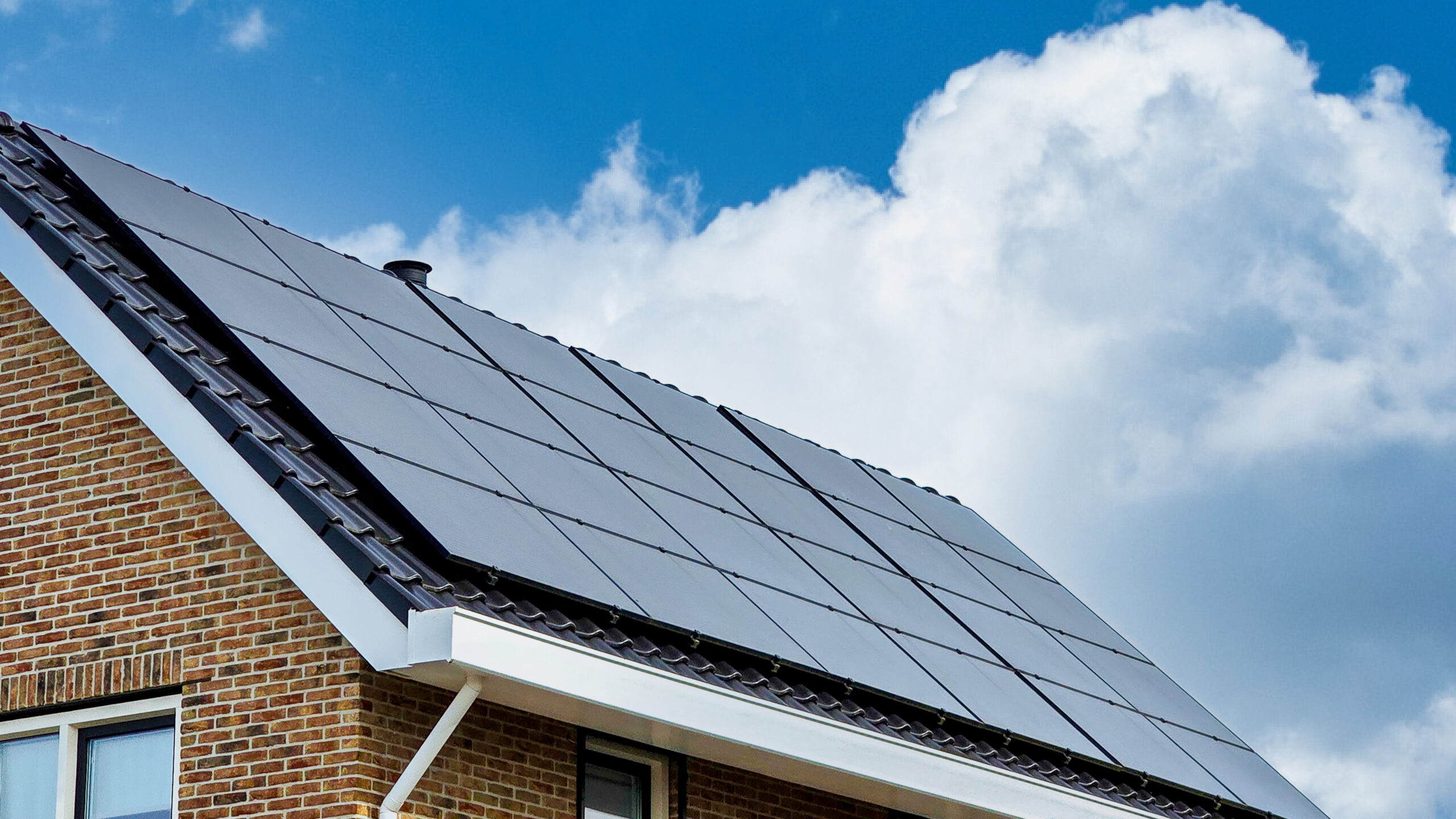
With energy bills and carbon targets both climbing, more Hampshire homeowners than ever are asking whether it is time to move away from a traditional gas boiler. An air source heat pump is usually the first option on the table, and when paired with solar panels it becomes a genuinely compelling way to heat your home with far less reliance on fossil fuels. But a heat pump is not simply a like-for-like swap for a boiler, and the honest answer to whether it is right for your home is that it depends. This guide walks through how the technology works, how it pairs with solar, and how to tell whether your property is ready.
How An Air Source Heat Pump Actually Works
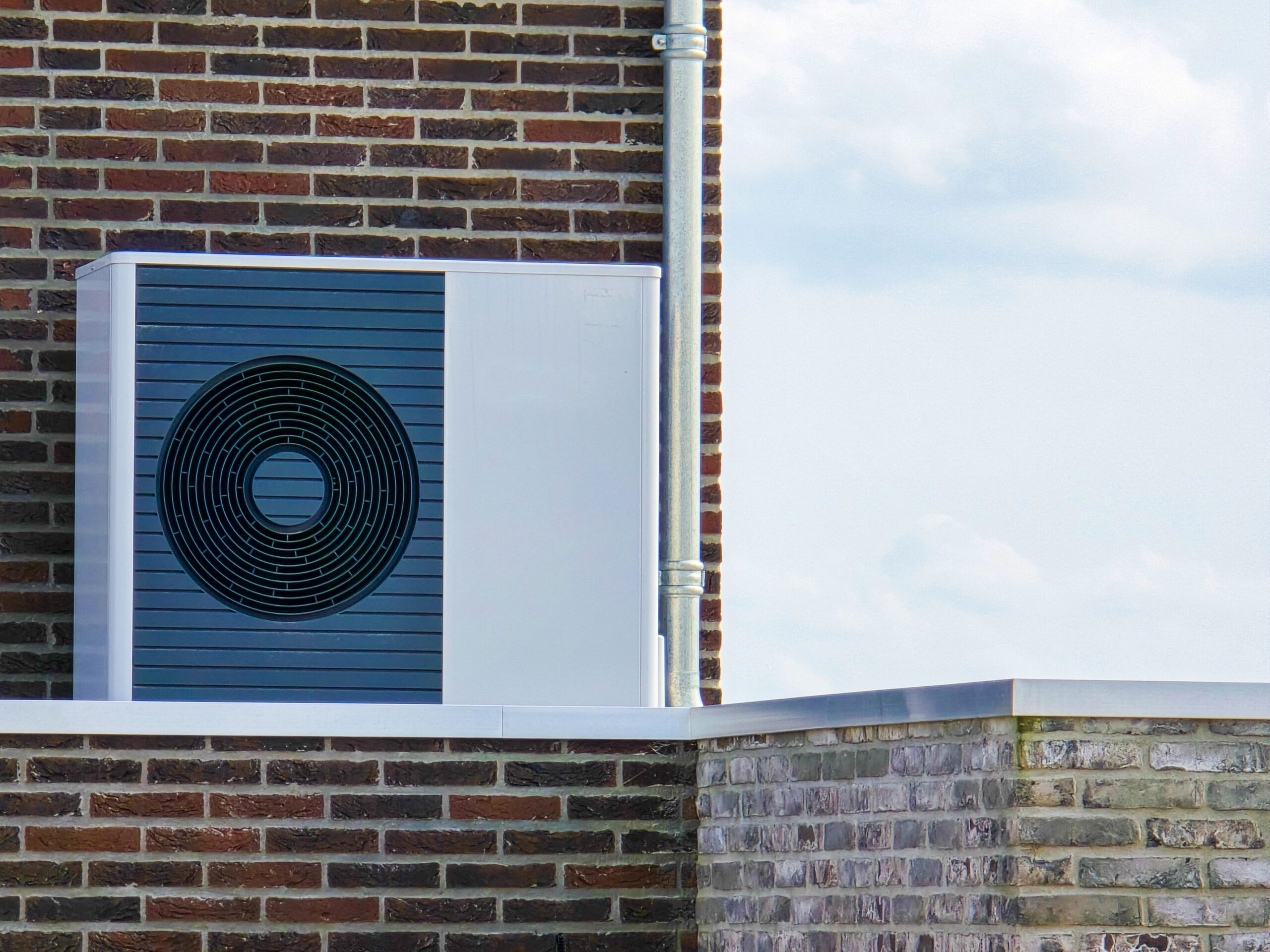
An air source pump does not burn anything. Instead it extracts heat from the outside air, even on cold days, and concentrates it to warm your home and hot water. Because it moves heat rather than creating it from scratch, it can deliver several units of heat for every unit of electricity it uses, which is what makes it so efficient compared with a boiler. The trade-off is that a heat pump works best running steadily at a lower temperature over longer periods, rather than blasting out short bursts of very hot water like a gas boiler. That has real implications for how your home is set up, and it is the biggest reason some houses are more heat-pump-ready than others.
Why Air Source Heat Pumps And Solar Work So Well Together
A heat pump runs on electricity, and that is exactly where solar panels come in. When your panels are generating during the day, they can power the heat pump directly, cutting the electricity you draw from the grid and lowering running costs. The two complement each other neatly: solar reduces the cost of the electricity the heat pump needs, and the heat pump gives your solar generation something useful to do. Add a battery to store daytime solar for the evening and the synergy is stronger still. On its own each technology is good; together they are far greater than the sum of their parts.
Is Your Home Ready For A Heat Pump?
This is where honest advice matters. A heat pump performs beautifully in the right home and disappointingly in the wrong one, so it is worth checking the fundamentals first. The key things to consider are:
- Insulation: because heat pumps run at lower temperatures, good loft and wall insulation makes a big difference to comfort and cost.
- Radiators or underfloor heating: lower-temperature heat often means larger radiators or underfloor heating to deliver the same warmth.
- Outdoor space: the external unit needs a sensible spot with airflow, typically against an outside wall or in the garden.
- Hot water storage: heat pumps usually pair with a hot water cylinder, so there needs to be room for one.
- Roof for solar: a reasonably unshaded, suitably oriented roof helps your panels earn their keep.
None of these are necessarily dealbreakers, and many can be addressed as part of the project. A proper survey is the only way to know for certain, which is why we always start with one rather than a quote over the phone.
Grants And Running Costs Worth Knowing About
Cost is understandably front of mind, and there is good news. The government’s Boiler Upgrade Scheme offers a substantial grant toward installing an air source heat pump in England, which meaningfully reduces the upfront outlay. It is always worth checking the current eligibility criteria, as schemes evolve, but the support available has made heat pumps far more accessible than they once were. On running costs, a well-designed heat pump in a well-insulated home can be very economical, and pairing it with solar pushes that further by shrinking the electricity you buy. The savings depend heavily on your home, your habits and your existing system, which is why we prefer to model it for your specific property rather than quote a headline figure.
Frequently Asked Questions About Air Source Heat Pumps
Do heat pumps work in winter?
Yes. They extract heat from the air even at low temperatures and are designed to keep UK homes warm through winter. Good insulation and a correctly sized system ensure comfort in the coldest months.
Can I run a heat pump entirely on solar?
Not entirely, since panels do not generate at night or in poor weather, but solar can supply a significant share of the electricity your heat pump uses during daylight, and a battery extends that into the evening.
Will I need new radiators?
Sometimes. Because heat pumps run cooler than boilers, some radiators may need upsizing, or underfloor heating recommended, to deliver the same warmth. A survey identifies exactly what your home needs.
Is there a grant for installing a heat pump?
Yes, the Boiler Upgrade Scheme provides a grant toward heat pump installation in England. Eligibility criteria apply and can change, so confirm the current details before planning your project.
Talk To Hayes Plumbing And Heating
Deciding whether an air source heat pump, especially one paired with solar, is right for your home is best done with advice tailored to your property. As renewable heating installers working across Hampshire, we would rather give you an honest assessment of your home’s readiness than sell you a system that does not suit it. If you are considering cleaner, lower-cost heating and want to know where you stand, get in touch with Hayes Plumbing and Heating. We will survey your home, explain your options clearly, and help you plan a system that keeps you warm for years to come.
Share This Story, Choose Your Platform!
Need a hand with this?
Speak to a Gas Safe registered engineer. We cover Fareham, Portsmouth, Southampton and beyond.
01329 888108 Book a visit“Replacement combi boiler fitted. Job was completed in a day. Very efficient, friendly service and really pleased with the new boiler.”
Julie M. · 42 Google reviews
Keep reading
More heating advice.
Need a hand with your heating?
Speak to a Gas Safe registered engineer today.