If you are weighing up gas central heating vs electric heater options for your property, the choice comes down to more than just upfront price. Running costs, installation complexity, maintenance demands, and even the way each system feels in daily use all play a part. For UK homeowners, the decision has become more nuanced in 2026. Energy prices have shifted, government regulations are tightening, and the technology behind electric heating has improved considerably. This guide walks you through every factor that matters, from pence-per-kilowatt-hour comparisons to the practical realities of living with each system. Whether you need to heat a whole house or just a single room, you will finish this article with a clear sense of which option suits your home, your habits, and your budget.
Table of Contents
- Understanding the Two Systems: How Gas Central Heating and Electric Heaters Work
- Running Costs: Is Gas Really Cheaper Than Electricity?
- Upfront Installation Costs: What You Will Pay to Get Started
- Maintenance, Lifespan, and Reliability
- Environmental Impact: Which Option Is Greener in 2026?
- Comfort, Noise, and Practical Considerations
- Which Option Is Right for Your Home? A Decision Framework
- How Hayes of Hampshire Can Help with Both Options
- Frequently Asked Questions
Understanding the Two Systems: How Gas Central Heating and Electric Heaters Work
Before comparing costs, it helps to understand what you are actually comparing. Gas central heating and electric heaters produce warmth in fundamentally different ways, and those differences affect everything from installation to comfort.
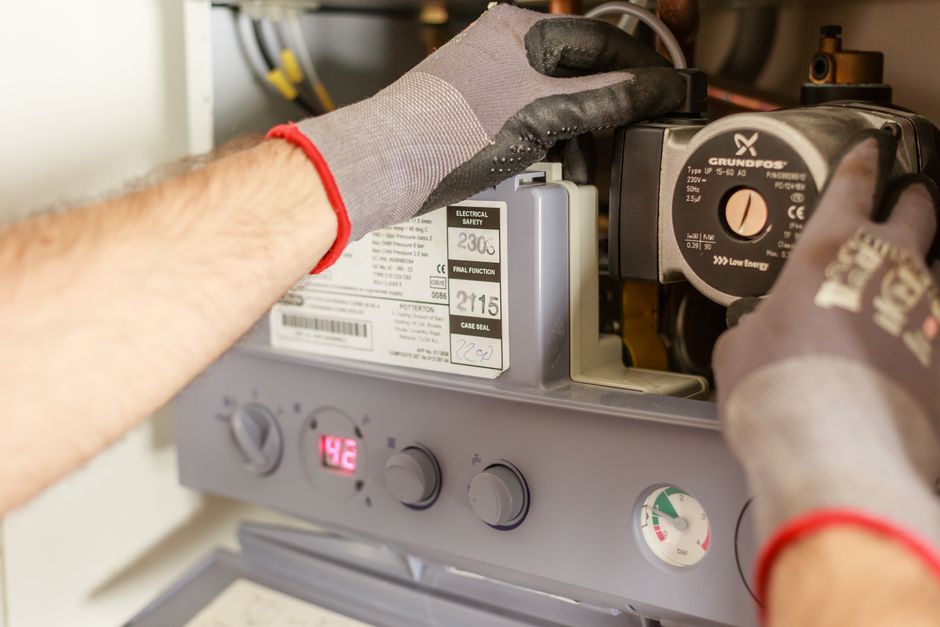
A gas central heating system uses a boiler to burn natural gas, heating water that is then pumped through a network of pipes to radiators or underfloor heating circuits. The boiler is the heart of the system, and it requires a flue or chimney to vent combustion gases safely outside. This means the property must have a suitable external wall or roof space for the flue, and the boiler itself needs enough room in a kitchen, utility area, or airing cupboard.
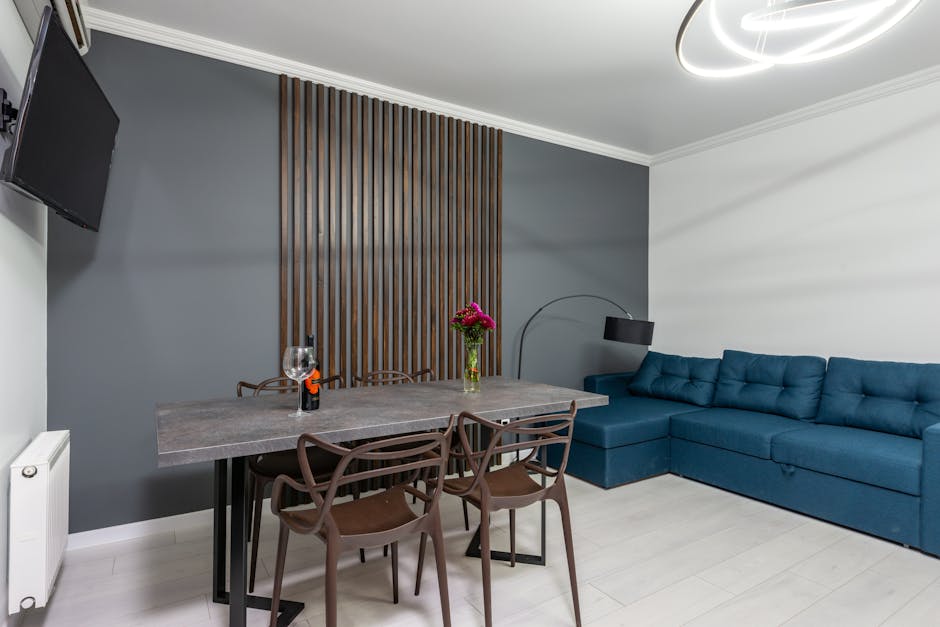
Electric heaters, by contrast, convert electricity directly into heat with no water, no pipes, and no combustion. They come in several forms: panel heaters that warm the air through convection, oil-filled radiators that retain heat after they switch off, infrared panels that radiate warmth directly onto people and surfaces, and storage heaters that absorb cheap off-peak electricity overnight and release it during the day. None of these need a flue, which makes them far simpler to install in flats, listed buildings, or any property where running pipework would be disruptive.
There is also a third category worth noting early on: heat pumps. These are electric-powered but work on a completely different principle from direct electric heaters, extracting heat from the air or ground rather than generating it from resistance. They deserve their own consideration, which we will return to later.
Running Costs: Is Gas Really Cheaper Than Electricity?
For most UK households, the running cost comparison is the single most important factor. The short answer is that gas remains cheaper per unit of heat, but the full picture depends on how you use your heating.
Current Energy Price Cap Rates (2026)
The Ofgem price cap for April to June 2026 sets electricity at roughly 27 pence per kilowatt-hour (kWh) and gas at approximately 7 pence per kWh. The July to September figures drop slightly, with electricity around 26 pence and gas closer to 6.3 pence. Either way, electricity costs roughly four times more per unit than gas. Standing charges follow a similar pattern: electricity carries a daily standing charge of around 54 pence during the spring quarter, while gas sits at about 33 pence. These rates apply to standard variable tariffs; fixed deals may offer different figures, but the four-to-one ratio tends to hold.
Annual Running Cost Comparison

For a typical three-bedroom semi-detached home with reasonable insulation, a modern A-rated condensing gas boiler costs between £620 and £1,260 per year to run, depending on thermostat settings, occupancy patterns, and the severity of the winter. An electric boiler serving the same property would cost roughly £1,700 annually. Direct electric heaters, such as panel or convection radiators, tend to cost more than an electric boiler because they heat individual spaces rather than distributing warmth through a centralised system, and they lack the thermal mass that helps some electric options retain heat.
Storage heaters can narrow the gap if you are on an Economy 7 or similar time-of-use tariff. By charging up on cheaper overnight electricity, they can deliver heat at a lower effective rate, though the savings depend heavily on your ability to predict when you will need warmth the following day.
Partial Heating: Is It Cheaper to Heat One Room with an Electric Heater?
A question that comes up repeatedly in forums and community discussions is whether it makes financial sense to heat just one room with an electric heater rather than firing up the gas boiler for the whole house. The answer is yes, in specific circumstances.
Imagine you work from home and spend most of your day in a 12-square-metre study. You use a 2kW electric panel heater for eight hours, but its thermostat cycles it on and off so it draws power for roughly half that time. At 27 pence per kWh, four hours of actual consumption costs about £2.16 per day. Running the gas boiler to heat the entire house for the same period might cost £3.50 or more, depending on the size of the property and the number of radiators.
For occasional, single-room heating, electric is genuinely competitive. The equation flips when you need to heat multiple rooms for extended periods. At that point, the lower per-unit cost of gas outweighs the efficiency advantage of electric heaters, which convert nearly all their input energy into heat but still cost more because the input energy itself is pricier. A smart thermostat or programmable timer helps with either system, reducing waste by matching heat output to your actual schedule.
Upfront Installation Costs: What You Will Pay to Get Started
Running costs tell only half the story. The initial outlay can vary dramatically between the two options, and for some properties the installation cost alone makes the decision straightforward.
Installing a new gas boiler typically costs between £2,000 and £3,000, and that figure covers the boiler unit itself plus the labour for a straightforward swap. If your existing pipework or radiators need upgrading, the total climbs higher. For properties without an existing gas connection, the costs can become prohibitive. Laying a new gas supply pipe from the street, installing a meter, and commissioning the connection can add several thousand pounds before the boiler is even purchased.
Electric heaters are far cheaper to install. A basic convection panel heater starts at around £50 to £150 per unit, and fitting one requires little more than a wall bracket and a nearby socket. Even higher-specification electric radiators with ceramic cores or oil-filled columns cost a few hundred pounds each, and the labour involved is minimal compared to running pipework throughout a house. For a small flat, you could outfit every room with electric heating for well under £1,000.
If you already have a working gas boiler, the question of switching to electric becomes a matter of timing. Ripping out a functional gas system before it reaches the end of its 10-to-15-year lifespan rarely makes financial sense. The upfront cost of replacing all the radiators and installing new electric units, combined with higher running costs, means the payback period stretches far beyond the remaining life of your current boiler. The smarter approach is to run your existing system until it needs replacing, then evaluate your options with a clean slate.
Heat pumps sit at the top end of the installation cost spectrum, often running to £8,000 or more before grants. The Boiler Upgrade Scheme can reduce this by several thousand pounds, making them a viable long-term alternative, though the upfront figure still exceeds both gas boilers and direct electric heaters.
Maintenance, Lifespan, and Reliability
Owning a heating system means living with it day to day, and the two options demand very different levels of attention.
Gas boilers require an annual service by a Gas Safe registered engineer, which typically costs between £80 and £120. This is not optional if you want to maintain safety, efficiency, and warranty coverage. Boilers contain pumps, valves, expansion vessels, and electronic control boards, all of which can fail. Common repairs include replacing a seized pump, fixing a leaking diverter valve, or resetting a lost system pressure. These faults become more frequent as the boiler ages, and a call-out plus parts can easily run to several hundred pounds. Most gas boilers last between 10 and 15 years with proper care.
Electric heaters have almost no maintenance requirements. There are no moving parts, no combustion by-products, and no pressure systems to monitor. A panel heater or electric radiator can easily last 20 years or more with nothing beyond occasional dusting. When faults do occur, they are usually limited to a failed thermostat or heating element, both of which are straightforward and relatively inexpensive to replace. For landlords or anyone who values predictability, the near-zero maintenance burden of electric heating is a significant advantage.
Environmental Impact: Which Option Is Greener in 2026?
Home heating accounts for roughly 15 percent of the UK’s greenhouse gas emissions, so the environmental dimension matters to a growing number of households.
A gas boiler burns fossil fuel directly inside the home, releasing carbon dioxide and water vapour through the flue. There is no way around this: every kilowatt-hour of heat from gas comes with a carbon cost at the point of use. Electric heaters produce no emissions on site, but their environmental credentials depend entirely on how the electricity was generated. In 2026, gas still accounts for around 40 percent of UK electricity generation, though renewables now contribute a record share that grows each year. As the grid decarbonises, electric heating becomes progressively cleaner.
Heat pumps represent the most efficient electric option by a wide margin. A well-designed air source heat pump can achieve a coefficient of performance of 3.5 or better, meaning it delivers 3.5 units of heat for every unit of electricity consumed. This efficiency brings running costs much closer to gas levels while dramatically reducing carbon emissions, especially as the grid shifts toward renewable sources.
The regulatory timeline reinforces the direction of travel. Gas and oil boilers are already banned in new-build homes, a policy that took effect in 2025, and the UK’s legally binding net-zero target for 2050 means the days of fossil fuel heating in existing properties are numbered. Homeowners planning for the long term should factor this into their decision.
Comfort, Noise, and Practical Considerations
Cost and carbon figures dominate the conversation, but how a heating system actually feels to live with matters just as much.
Gas central heating delivers convection warmth that heats the air in a room. This creates a consistent, all-enveloping heat, though some people find it can feel slightly stuffy or dry, particularly in bedrooms. The system is not silent: boilers fire up with a low rumble, pipes tick and gurgle as they expand, and radiators can occasionally need bleeding to remove trapped air.
Electric panel heaters and radiators also rely on convection, but they respond faster. A panel heater can start warming a cold room within a minute or two, whereas a gas system must first heat water and circulate it through the pipework. Infrared panels offer a different experience entirely, radiating heat directly onto people and surfaces in a way that feels more like sunlight. The air itself stays cooler, which some find more comfortable and less drying.
Storage heaters are the hardest to live with. They charge overnight and release heat slowly through the day, but if the weather turns unexpectedly warm, you cannot stop the output. Conversely, a cold snap in the evening may leave you without enough stored warmth. Modern high-retention storage heaters are better than their predecessors, but they still lack the responsiveness of other electric options.
Property type also shapes the decision. Flats, particularly those in modern blocks with good insulation, often suit electric heating perfectly. The installation is simple, the heat demand is low, and the absence of flues and pipework keeps things tidy. Larger detached homes with higher heat loss may benefit from the lower running costs of gas, especially if they already have a connection and a working boiler.
Which Option Is Right for Your Home? A Decision Framework
With all the factors laid out, the right choice depends on your specific circumstances. Here is a practical way to think through the decision.
Choose gas central heating if you have an existing gas connection, live in a larger property, and keep your heating on for extended periods during winter. The lower per-unit cost of gas will save you money over time, and the infrastructure is already in place.
Choose electric heaters if you live in a small flat, have no gas connection, or only heat your home occasionally. The low installation cost and minimal maintenance make electric a sensible default for properties with modest heat demand.
Consider a hybrid approach if your usage patterns vary. Keep the gas system for whole-home heating during cold spells, but use a portable electric heater to warm a single room when you are working late or relaxing in the evening. This avoids heating empty rooms and keeps bills in check.
Think about insulation before you think about switching systems. Both gas and electric heating cost less to run in a well-insulated home, and the money you spend on loft insulation or draught-proofing may deliver better returns than replacing a functioning boiler.
If you are planning for the long term, electric heating paired with a heat pump is the most future-proof route. The regulatory direction is clear, and as the grid continues to decarbonise, the environmental case for electric grows stronger every year. Our guide to air source heat pumps and solar panels explains how these technologies can work together to reduce both your bills and your carbon footprint.
Ultimately, the cheapest system is the one that matches how you actually live. Paying to heat an entire house when you only use two rooms is wasteful regardless of the fuel type. Match the system to your habits, and you will find the right balance of cost, comfort, and convenience.
How Hayes of Hampshire Can Help with Both Options
Whether you are leaning toward gas central heating, exploring electric heating, or simply unsure which direction to take, Hayes of Hampshire can guide you through the process. We supply and install both gas central heating systems and electric heating solutions across Hampshire and the surrounding areas, and our team includes Gas Safe registered engineers alongside qualified electricians, so you get expert workmanship whichever route you choose.
We offer a free, no-obligation survey of your property to assess your heating needs and recommend the most cost-effective and efficient option for your specific situation. We can also advise on heat pumps and hybrid systems if you are thinking ahead to the next decade and beyond. If you would like friendly, professional advice without the hard sell, get in touch with Hayes of Hampshire today. You can also browse examples of our recent installations to see the quality of work we deliver.
Frequently Asked Questions
Is electric heating 100% efficient?
Yes, electric heaters convert nearly all the electricity they draw into usable heat. However, this does not make them cheaper to run than gas, because electricity costs roughly four times more per unit.
Are storage heaters cheaper than gas?
Storage heaters can be cheaper if you are on an Economy 7 tariff and can manage the delayed heat release effectively. For most households, gas still works out less expensive for whole-home heating.
What is the cheapest way to heat a home in 2026?
For properties with a gas connection, a modern condensing gas boiler remains the cheapest option for heating the entire home. For single rooms used occasionally, an electric heater can be more economical.
Can I get a grant to replace my gas boiler?
The Boiler Upgrade Scheme provides grants for heat pumps and biomass boilers, but not for direct electric heaters or gas boiler replacements. The scheme is designed to encourage a shift toward low-carbon heating.
How much does it cost to run an electric heater per hour?
A 2kW heater running at full power for one hour costs approximately 52 to 54 pence at current electricity rates. If the thermostat cycles the heater on and off, the actual cost will be lower.
About the Author: Hayes Plumbing & Heating