

Best Heating Solutions in Hampshire: 2026 Homeowner Guide
Discover the best heating solutions in Hampshire for 2026. Compare boilers, heat pumps, costs, and grants to find the perfect system for your home.
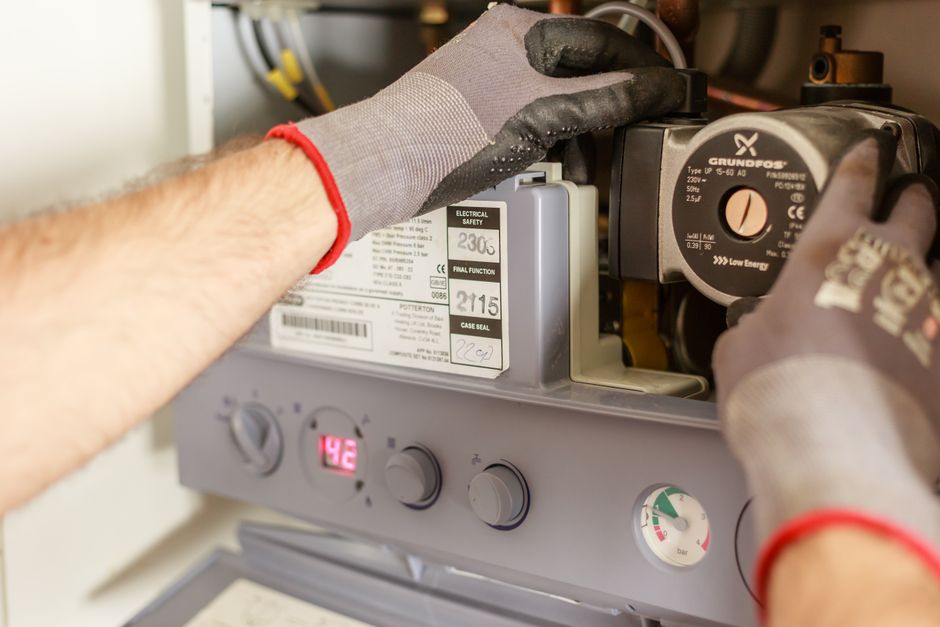
Finding the best heating solutions in Hampshire is a decision that touches every part of your home life, from your monthly budget to your comfort on a cold January morning. The county’s mix of Victorian terraces, post-war semis, and modern estates means there is no one-size-fits-all answer. This guide walks you through the main options available in 2026, covering boilers, heat pumps, and hybrid systems, along with the grants and practical considerations that will help you make a confident, informed choice.
Table of Contents
- Why Your Heating Choice Matters in Hampshire
- Understanding Your Home’s Heating Needs
- The Main Heating Options for Hampshire Homes
- Comparing Running Costs and Efficiency
- The Boiler Upgrade Scheme and Other Financial Support
- Choosing the Right Installer in Hampshire
- Seasonal Maintenance and Efficiency Tips
- Common Mistakes to Avoid When Upgrading Your Heating
- Frequently Asked Questions
- Final Thoughts: Making the Right Choice for Your Hampshire Home
Why Your Heating Choice Matters in Hampshire
Hampshire’s housing stock is remarkably varied. In Portsmouth and Southampton, you will find dense rows of period properties with solid walls and limited insulation, while the market towns and villages feature everything from listed cottages to new-build developments. This diversity means a system that works brilliantly in a modern, well-sealed home may struggle in a draughty Edwardian house.
Energy prices remain a pressing concern for households across the county. Heating typically accounts for over half of a home’s annual energy usage, so even a modest improvement in efficiency translates into meaningful savings over time. The UK government’s commitment to net zero by 2050 is also reshaping the market, with the Boiler Upgrade Scheme offering £7,500 towards heat pump installation. This incentive has made renewable heating a realistic option for many more homeowners than was possible just a few years ago.
A well-chosen heating system balances four factors: the upfront cost of equipment and installation, ongoing running costs, how well the system suits your specific property, and its environmental impact. Getting that balance right is what this guide is about.
Understanding Your Home’s Heating Needs
Property Age and Insulation Levels
Older Hampshire homes, particularly those built before the 1930s, often have solid brick walls without a cavity. These properties lose heat faster than modern homes and typically need higher flow temperatures from their heating system to stay warm. If your home falls into this category, a high-temperature system like a gas boiler may currently be the most practical choice, unless you are prepared to invest in significant insulation upgrades.

Newer homes, especially those constructed after 2000, were built to stricter thermal regulations. They tend to be better sealed and can often work well with lower-temperature systems such as heat pumps. Before committing to any system, take a walk around your home and note the insulation in your loft, whether your walls are cavity or solid, and the condition of your windows and doors. This simple self-assessment will help you have a more productive conversation when you speak with heating professionals.
Hot Water Demand and Lifestyle
Your household’s daily routine matters as much as the building itself. A family of five taking multiple showers, running a bath, and washing up throughout the day has a very different hot water demand to a couple or a single occupant. Some systems, particularly heat pumps with integrated hot water cylinders, require space for a storage tank, so you will need to factor in whether you have an airing cupboard or utility room that can accommodate one.
Think about how you use your heating. Do you prefer a steady background warmth throughout the day, or do you need a system that can blast heat quickly on demand? Would smart controls that let you manage the temperature from your phone make a difference to your routine? Answering these questions now will narrow down the options considerably.
The Main Heating Options for Hampshire Homes
High-Efficiency Gas Boilers
Gas boilers remain the most common heating system in Hampshire, and for good reason. Modern A-rated condensing models achieve efficiency levels of 90% or above, converting nearly all the fuel they burn into usable heat. They deliver high flow temperatures quickly, which makes them effective in older, less insulated properties where heat loss is a challenge.
The UK government has confirmed that boilers will not be banned outright, but the phase-out of new gas boiler installations in new-build homes is already in effect, and a wider transition is expected by 2035. This does not mean you need to rip out a working boiler, but if you are installing a new system today, it is worth considering the long-term direction of policy. Annual servicing by a Gas Safe Registered engineer is a legal requirement for safety and remains essential for keeping your boiler running efficiently.
Air Source Heat Pumps
Air source heat pumps have become the most popular renewable heating option for UK homes. They work by extracting heat from the outside air, even when temperatures drop below freezing, and transferring it into your home. The Boiler Upgrade Scheme provides £7,500 towards the cost of installation, which has brought the upfront price much closer to that of a new gas boiler.
Heat pumps operate at lower flow temperatures than boilers, typically around 35 to 45 degrees Celsius, compared with 60 to 70 degrees for a gas system. This means they work best in well-insulated homes, often paired with larger radiators or underfloor heating to distribute warmth effectively. Running costs can be lower than gas, especially if you are on a time-of-use electricity tariff that offers cheaper rates overnight. For Hampshire homeowners looking to reduce their carbon footprint without sacrificing comfort, an air source heat pump is a compelling option. You can read more about how these systems work alongside solar panels in our air source heat pumps and solar guide.
Ground Source Heat Pumps
Ground source heat pumps draw heat from the ground via buried pipework, either laid horizontally in trenches or vertically in boreholes. Because the ground temperature remains relatively stable year-round, these systems offer even greater efficiency than air source models. Running costs are typically the lowest of any heating system, and the £7,500 BUS grant applies here too.
The trade-off is space and cost. You need a garden or plot large enough to accommodate the ground loop, and installation costs are significantly higher, often reaching £20,000 to £35,000 before the grant. For a Hampshire property with ample land and a high heat demand, a ground source heat pump can be an excellent long-term investment.
Hybrid and Alternative Systems
Hybrid systems combine a heat pump with a gas boiler, using smart controls to switch between the two depending on which is more efficient at any given moment. This can be a practical compromise for homes that are not yet ready to go fully electric, offering lower carbon emissions while retaining the reassurance of a boiler for the coldest days.
For smaller spaces or rooms used infrequently, electric radiators and infrared panels provide a simple, low-installation-cost solution. They are not typically suited to whole-home heating on their own, but they can work well as supplementary heat. Oil and LPG boilers remain relevant for the many Hampshire properties that are off the gas grid, though fuel costs and delivery logistics should be factored into your decision.
Comparing Running Costs and Efficiency
For an average three-bedroom home in Hampshire, a gas boiler typically costs between £800 and £1,200 per year to run, depending on usage patterns and the tariff you are on. An air source heat pump, when installed in a well-insulated property and paired with a favourable electricity tariff, can reduce annual running costs by 10% to 30% compared with that figure. Ground source heat pumps offer the lowest running costs of all, though the higher upfront investment means the payback period is longer.
When comparing systems, look at efficiency ratings carefully. A condensing gas boiler should achieve at least 90% efficiency, while a heat pump’s performance is measured by its Seasonal Coefficient of Performance, or SCOP. A SCOP of 3.5 or above means the system produces 3.5 units of heat for every unit of electricity it consumes. Smart thermostats and zoning controls can reduce energy waste regardless of the system you choose, by heating only the rooms you actually use.
The Boiler Upgrade Scheme and Other Financial Support
The Boiler Upgrade Scheme is the headline financial incentive for renewable heating in 2026. It offers £7,500 towards the installation of an air source or ground source heat pump, and the grant is applied directly by your installer, meaning the cost is deducted from your quote before you pay. You do not need to submit a claim yourself, which simplifies the process considerably.
The scheme is expected to continue through 2026 and beyond, though eligibility criteria and grant levels can change, so it is worth checking the official government website for the latest details. Some Hampshire homeowners may also qualify for support through the Energy Company Obligation, known as ECO4, which targets low-income households and those in fuel poverty. Financing options, including interest-free loans for energy efficiency improvements, are available from some lenders and are worth exploring before you commit to a system.
Choosing the Right Installer in Hampshire
Any gas boiler work in the UK must be carried out by a Gas Safe Registered engineer. This is a legal requirement, not a nice-to-have, so always ask to see the engineer’s card before work begins. For heat pumps, look for MCS Certified installers, as this certification is required to access the Boiler Upgrade Scheme grant. Additional accreditations such as NAPIT, RECC, or BPEC indicate a commitment to industry standards and ongoing training.
Take the time to read customer reviews on independent platforms and ask installers for references from recent jobs in your area. A reputable professional will be happy to provide them. Request at least three detailed quotes that include a proper heat loss assessment, a clear system design, and a breakdown of costs for both equipment and labour. If a quote seems unusually low, ask what has been left out.
Seasonal Maintenance and Efficiency Tips
Booking an annual boiler service keeps your system running safely and efficiently, and it is usually required to maintain the manufacturer’s warranty. In Hampshire, a standard service typically costs between £80 and £120. At the start of autumn, bleed your radiators to release any trapped air that could cause cold spots and reduce efficiency.
Check your boiler’s pressure gauge every few weeks and top up the system if it falls below the recommended level, which is usually marked on the gauge itself. If you have an external heat pump unit, keep the area around it clear of leaves, debris, and snow during the winter months, as restricted airflow will reduce performance. Smart controls allow you to schedule heating around your daily routine and lower the temperature when the house is empty, cutting waste without sacrificing comfort.
Common Mistakes to Avoid When Upgrading Your Heating
One of the most frequent errors is choosing a system based solely on the lowest upfront cost, without considering how much it will cost to run over the next ten or fifteen years. A cheap installation can become expensive quickly if the system is inefficient or poorly matched to the property.
Skipping a proper heat loss calculation is another pitfall. An oversized system will cycle on and off constantly, wasting energy, while an undersized one will struggle to keep the house warm. Do not assume a heat pump is unsuitable for an older home without a thorough assessment; with good insulation and appropriately sized radiators, it can work well in many period properties.
Ignoring the condition of your existing pipework and radiators is a mistake that can undermine a new system, especially if you are switching to lower flow temperatures. Finally, never rely on a single quote or fail to check an installer’s credentials. Taking a little extra time at this stage pays off in reliability and peace of mind.
Frequently Asked Questions
How much does a heat pump cost to install in Hampshire?
Air source heat pump installations typically range from £8,000 to £15,000 before the £7,500 BUS grant is applied, depending on the size of the system and the complexity of the job. Ground source heat pumps are more expensive, often between £20,000 and £35,000 before the grant, due to the groundworks involved.
Are heat pumps worth it in the UK?
For well-insulated homes, heat pumps can offer lower running costs than gas boilers and reduce carbon emissions significantly. The £7,500 grant makes them more affordable than ever, but suitability depends on your property’s insulation levels and the type of heat distribution system you have. A professional assessment is the best way to know for sure.
How often should a boiler be serviced?
A gas boiler should be serviced annually by a Gas Safe Registered engineer. This ensures safe operation, maintains the manufacturer’s warranty, and can catch small issues before they become expensive repairs.
What is the Boiler Upgrade Scheme?
The BUS is a UK government scheme that provides a £7,500 grant towards the cost of installing an air source or ground source heat pump in an existing home. The grant is applied directly by an MCS Certified installer, reducing the amount you pay upfront.
Final Thoughts: Making the Right Choice for Your Hampshire Home
There is no universal best heating solution for every Hampshire property. The right choice depends on the age and insulation of your home, your budget, your household’s hot water demands, and your priorities around running costs and environmental impact. For many homes, a high-efficiency gas boiler remains a reliable and cost-effective option in the short to medium term. If you are planning for the longer term and your property is well insulated, a heat pump supported by the BUS grant represents a compelling, future-proof investment.
Whatever direction you lean towards, a professional heat loss assessment and tailored installer advice will always beat guesswork. If you would like to discuss your heating needs and receive guidance specific to your home, contact Hayes of Hampshire for a no-obligation consultation.
Share This Story, Choose Your Platform!
Need a hand with this?
Speak to a Gas Safe registered engineer. We cover Fareham, Portsmouth, Southampton and beyond.
01329 888108 Book a visit“Replacement combi boiler fitted. Job was completed in a day. Very efficient, friendly service and really pleased with the new boiler.”
Julie M. · 42 Google reviews
Keep reading
More heating advice.
Need a hand with your heating?
Speak to a Gas Safe registered engineer today.